BASELINE 12-1466 Clinical Nerve Sensory Tuning Fork Cps Nerve/sensory 128
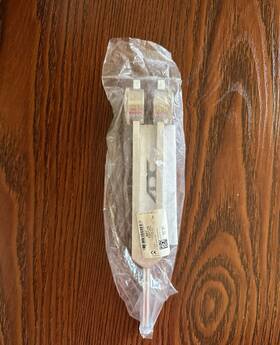
( Brand: Baseline ), ( Manufacturer Part Number: 12-1466 ), ( Type: Professional Healthcare ), ( Country/region Of Manufacture: India )
Review BASELINE Aluminum Clinical Grade Nerve/sensory Tuning Fork 128 Cps Weighted
Introducing the Baseline 12-1466 Clinical Nerve/Sensory Tuning Fork with a vibrational frequency of 128 cps, an essential tool for any medical professional or practitioner specializing in the assessment of sensory function and nerve reflexes. This high-quality tuning fork is meticulously crafted to deliver precise and consistent results, ensuring accurate diagnosis and effective treatment.
The Baseline 12-1466 Clinical Nerve/Sensory Tuning Fork features a sleek, ergonomic design, making it comfortable to hold and maneuver during examinations. The fork is made of premium quality, highly polished stainless steel, which not only ensures durability but also enhances the clarity of the vibrations.
The tuning fork's unique design includes a 12-inch long shaft, which allows for optimal leverage and ease of application, especially in harder-to-reach areas. The fork's bow measures 1 inch in length and 0.125 inches in width, providing an ideal surface area for effective stimulation of sensory nerves.
The vibrational frequency of 128 cycles per second (cps) is specifically suited for testing sensory function in the human body, allowing for the detection of even the slightest changes in nerve reflexes. The fork's high-pitched tone is easily distinguishable from other frequencies, making it an ideal choice for assessing various sensory modalities, including light touch, temperature, pain, and proprioception.
To use the Baseline 12-1466 Clinical Nerve/Sensory Tuning Fork, simply hold the fork in one hand and strike the prong against a hard surface, such as a wooden table or the palm of your other hand, to create vibrations. Once the fork begins to vibrate, gently place it on the patient's skin, allowing the vibrations to travel through the nerve pathways. The response elicited from the patient can then be assessed and recorded, providing valuable insights into their sensory function and nerve health.
In summary, the Baseline 12-1466 Clinical Nerve/Sensory Tuning Fork is an indispensable tool for any medical professional or practitioner seeking to accurately assess sensory function and nerve reflexes. Its premium quality construction, sleek design, and precise vibrational frequency make it an essential addition to any diagnostic arsenal.
Buying a 128 cps clinical nerve/sensory tuning fork, such as the Baseline 12-1466 model, can be a valuable investment for healthcare professionals and students in various fields, including physiotherapy, chiropractic, acupuncture, and medicine. Here are some potential pros and cons to consider before making a purchase.
Pros:1. Frequencies for nerve testing: The 128 cps frequency of this tuning fork is commonly used for nerve testing and sensory assessment, making it an essential tool for healthcare professionals.
2. Durable and precise: High-quality tuning forks, like the Baseline model, are typically made from bimetallic material, ensuring durability and precise frequency.
3. Portability: With a compact size, these tuning forks are easily portable, allowing you to take them to different clinical settings or even carry them in your pocket.
4. Multi-purpose: A 128 cps tuning fork can be used for various assessment techniques, such as reflex testing, joint position sense, and vibration sense.
5. Cost-effective: While the initial investment may seem high, the long-term use and versatility of a clinical tuning fork can save you money compared to purchasing multiple specialized testing devices.
Cons:1. Learning curve: Properly using a tuning fork for nerve testing requires some training and practice to ensure accurate results.
2. Limited functionality: While a 128 cps tuning fork is a valuable tool, it may not replace the need for other assessment devices, such as Romberg tests or monofilaments, in a comprehensive assessment.
3. Risk of damage: Improper handling or dropping the tuning fork can result in damage, which may affect its performance and accuracy.
4. Noisy: The vibrations produced by a 128 cps tuning fork can be quite loud, which may not be ideal for certain clinical environments or patient sensitivities.
Conclusion:A 128 cps clinical nerve/sensory tuning fork, like the Baseline 12-1466 model, can be a valuable addition to any healthcare professional's or student's toolkit. Its versatility, durability, and precision make it an essential tool for various assessment techniques. However, it does come with a learning curve, the risk of damage, and some noise. Considering the pros and cons, the benefits of owning a 128 cps tuning fork generally outweigh the drawbacks.
Recommendation:If you are in the market for a 128 cps clinical nerve/sensory tuning fork, the Baseline 12-1466 model is a solid choice due to its high-quality construction, precise frequency, and portability. With proper care and handling, it can be an invaluable tool for your clinical practice.
Details:
Its robust construction allows for frequent use in demanding settings, ensuring consistent results when assessing neurological reflexes and sensory responses. The sleek design facilitates easy maintenance and storage, ready for whenever its needed in the field or lab. Model 12-1466 emits a frequency of 128 CPS, ideal for variety medical and laboratory tests requiring accurate sensory evaluation.
part #: 121466 prices
- $13.99-$19.99
specifications labequipi:
- brand: Baseline
- mpn: 12-1466
- type: Professional Healthcare
- country/region of manufacture: India
payments labequipi:
- wallet: Apple-pay
- credit card: Discover
- other
shipping labequipi:
- type: Calculated
- cost: $9.91
- class: Standard
- service: UPS Ground
- transit: 3-9 Days
- carrier: UPS
returns labequipi:
- policy: No Returns
offer labequipi:
- sold: 0
- options: Ship-to-home
- availability: In Stock
- best offers: True
- quantity: 1
- started: April 9, 2025
seller labequipi:
- rating: 100.0%
- city: Pompano Beach, Florida
- # reviews: 14
general labequipi:
- condition: New
- Healthcare, Lab Dental > Medical Lab Equipment, Devices > Other Medical Lab Equipment