DESAGA 131900 Schlauchpumpe Peristaltic
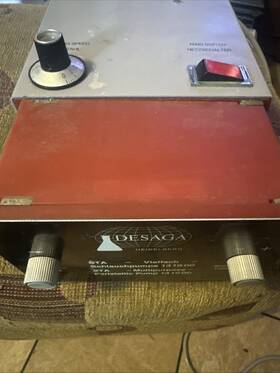
( Brand: Desaga ), ( Manufacturer Part Number: 131900 ), ( Model: DESAGA SCHLAUCHPUMPE 131900 )
Review DESAGA Schlauchpumpe Peristaltic
The DESAGA 131900 Peristaltic Pump is a high-performance, versatile solution for various industrial applications. This pump is renowned for its reliability and efficiency, making it an excellent choice for processes that require precise and consistent fluid handling.
The DESAGA 131900 is a peristaltic pump, which means it utilizes rollers to compress and move a flexible tube. This design ensures positive displacement, avoiding any issues related to pulsation and cavitation, ensuring a consistent flow rate. The tube is made of high-quality, FDA-compliant materials, allowing the pump to handle a wide range of fluids, including viscous, corrosive, and abrasive ones.
This DESAGA model features a compact and robust design, making it suitable for both laboratory and industrial settings. It has a maximum flow rate of 80 liters per hour and a maximum pressure of 6 bar. The pump comes with a variable frequency drive (VFD) as standard, allowing for easy adjustment of the flow rate to meet specific process requirements.
The DESAGA 131900 Peristaltic Pump is also equipped with several advanced features to ensure easy maintenance and long service life. These include a self-priming capability, which eliminates the need for manual priming, and a tube change system that allows for quick and easy tube replacement without the need for tools.
The pump also comes with a built-in tube clamping system, ensuring a secure and reliable connection between the tube and the rollers. Additionally, the pump's design allows for easy access to the rollers and drive system for maintenance and cleaning.
In summary, the DESAGA 131900 Peristaltic Pump is a high-performance, versatile, and reliable solution for various industrial applications. Its compact design, advanced features, and ability to handle a wide range of fluids make it an excellent choice for processes that require precise and consistent fluid handling.
A peristaltic pump with the model number DESAGA 131900 is a reliable and efficient choice for various applications, particularly in the fields of chemistry, pharmaceuticals, and laboratory research. This type of pump utilizes a rolling diaphragm or a peristaltic hose to transfer fluid, ensuring minimal product contamination and eliminating the need for priming. Here are some pros and cons of buying a DESAGA 131900 peristaltic pump:
Pros:1. Gentle handling: Peristaltic pumps are known for their ability to handle sensitive or shear-sensitive fluids without damaging them, making them an excellent choice for applications involving viscous or high-value products.
2. Self-priming: Since the pump does not require a constant supply of fluid to operate, it is considered self-priming, which can save time and reduce the need for additional equipment.
3. Easy maintenance: With replaceable hoses and diaphragms, peristaltic pumps are relatively easy to maintain and clean, resulting in reduced downtime and lower overall maintenance costs.
4. Versatility: Peristaltic pumps can handle a wide range of fluids, from water to high-viscosity materials, making them a versatile choice for various applications.
5. Accurate flow rates: The positive displacement design of peristaltic pumps enables them to deliver consistent and accurate flow rates, which is crucial for many research and industrial processes.
Cons:1. Higher upfront cost: Compared to other types of pumps, such as centrifugal or positive displacement pumps, peristaltic pumps can have a higher initial investment.
2. Limited flow rates: Peristaltic pumps may not be suitable for applications requiring high flow rates due to their design and the size of the hose or diaphragm used.
3. Wear and tear: The moving parts of peristaltic pumps, such as the hoses and diaphragms, can wear out over time, requiring replacement and increasing the overall maintenance costs.
In conclusion, the DESAGA 131900 peristaltic pump offers several advantages, including gentle handling, self-priming, easy maintenance, versatility, and accurate flow rates. However, it also comes with some disadvantages, such as a higher upfront cost, limited flow rates, and potential wear and tear. When considering the purchase of a peristaltic pump, it is essential to weigh these pros and cons against the specific requirements of your application to determine if the DESAGA 131900 model is the best choice for you.
Based on the information provided, I would recommend the DESAGA 131900 peristaltic pump for applications where gentle handling, self-priming, easy maintenance, and accurate flow rates are essential, and where the higher upfront cost and potential for wear and tear can be justified by the benefits gained from the pump's performance.
Details:
See pit for specific details. Unit power on and works at different speeds.
part #: 131900 price
- $395.00
specifications labequipi:
- brand: Desaga
- mpn: 131900
- model: Desaga Schlauchpumpe 131900
seller labequipi:
- # reviews: 1180
- rating: 98.3%
- city: Columbia, Missouri
returns labequipi:
- policy: No Returns
shipping labequipi:
- carrier: USPS
- transit: 5-11 Days
- class: Standard
- type: Calculated
- service: USPS Ground Advantage
- cost: $25.30
payments labequipi:
- wallet: Paypal
- other
- credit card: Visa
offer labequipi:
- started: April 27, 2025
- availability: In Stock
- quantity: 1
- options: Ship-to-home
- sold: 0
- best offers: True
general labequipi:
- Healthcare, Lab Dental > Medical Lab Equipment, Devices > Other Medical Lab Equipment
- condition: Used