FISHERBRAND 14230237 Skirted Pcr Plates 96-WELL 0.2ML Plates/case
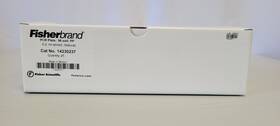
( Brand: Fisherbrand ), ( Manufacturer Part Number: 14230237 ), ( Part Type: Plate Case ), ( Unit Quantity: 25 Plates/case ), ( Country Of Origin: United States )
Review FISHERBRAND 96-well Skirted Pcr Plates 0.2ml Plates/case
The Fisherbrand 14230237 96-well Skirted PCR Plates are a must-have for any laboratory conducting Polymerase Chain Reaction (PCR) experiments. These plates are designed with high precision and quality, ensuring reliable and consistent results.
Each plate features 96 wells, with a volume capacity of 0.2 ml per well. The skirted design of the plates provides an additional surface area for sealing, ensuring a secure and leak-proof seal during the PCR process. The skirts also help prevent cross-contamination between wells, maintaining the integrity of your samples.
The plates are made of high-quality polystyrene material, which is known for its durability and chemical resistance. The wells are smooth and flat, allowing for easy and accurate dispensing of reagents and samples. The plates also come with a conveniently located center well, making it easy to add master mix or other solutions to all wells at once.
The plates are shipped in cases containing 25 units each. The cases are stackable, making storage and transportation easy and efficient. The plates are also sterile, making them suitable for use in aseptic environments.
In summary, the Fisherbrand 14230237 96-well Skirted PCR Plates are an essential tool for any PCR laboratory. Their precision, durability, and ability to prevent cross-contamination make them a reliable and consistent choice for your experiments. With their convenient design and easy-to-stack cases, these plates make organization and transportation a breeze.
The Fisherbrand 14230237 96-well skirted PCR plates, with a volume of 0.2 ml per well and 25 plates per case, are widely used in laboratories for polymerase chain reaction (PCR) experiments. Let's discuss the pros and cons of purchasing these plates to help you make an informed decision.
Pros:1. Skirted Design: The skirted design of these plates helps prevent cross-contamination between wells, as it creates a physical barrier between them.
2. Small Volume: The 0.2 ml volume per well is suitable for working with small sample sizes or when performing multiple reactions using limited reagents.
3. Easy Stackability: The plates can be stacked conveniently, allowing for efficient use of lab space and easy transportation.
4. Durable: These plates are made of high-quality materials, ensuring durability and resistance to potential damage during handling and use.
5. Compatibility: They are compatible with most PCR machines and thermocyclers, making them a versatile choice for various research applications.
Cons:1. Cost: Compared to other, less expensive plate options, these skirted plates may be more costly, especially when considering the higher price per plate due to their smaller volume.
2. Limited Sample Capacity: The smaller volume per well means that a larger number of plates may be required to process the same number of samples as compared to larger volume plates.
3. Potential for User Error: The skirts may make it slightly more difficult to pipette accurately, increasing the potential for user error, particularly when working with small volumes.
Conclusion:The Fisherbrand 14230237 96-well skirted PCR plates offer several advantages, including improved cross-contamination prevention, suitability for small sample volumes, and compatibility with various PCR machines. However, they come at a higher cost per plate due to their smaller volume. Researchers should carefully consider the benefits and limitations of these plates in relation to their specific research requirements and available budget.
Recommendation:If your research involves working with small sample sizes, the need for high cross-contamination prevention, and the availability of a larger budget, the Fisherbrand 14230237 96-well skirted PCR plates would be an excellent choice. If, however, you require larger sample volumes or have limited budgetary constraints, it might be more cost-effective to consider alternative plate options with larger volumes per well.
Details:
part #: 14230237 prices
- $28.29-$89.25
specifications labequipi:
- brand: Fisherbrand
- mpn: 14230237
- part type: Plate Case
- unit quantity: 25 Plates/case
- country of origin: United States
seller labequipi:
- city: San Diego, California
- # reviews: 110
- rating: 100.0%
shipping labequipi:
- transit: 5-10 Days
- carrier: USPS, FedEx, UPS
- type: Calculated
- service: USPS Ground Advantage, FedEx Ground Economy, UPS Ground, FedEx 2Day
- class: Standard, Economy, Expedited
- cost: $31.69
returns labequipi:
- time: 30 Days
- method: Money back
- policy: Returns Accepted
- paid by: Buyer
general labequipi:
- condition: New
- Healthcare, Lab Dental > Medical Lab Equipment, Devices > Other Medical Lab Equipment
offer labequipi:
- options: Ship-to-home
- availability: In Stock
- started: May 6, 2026
- sold: 0
- quantity: 1
payments labequipi:
- wallet: Apple-pay
- other
- credit card: Mastercard
Fisherbrand 14230237 Is Similar To:
- Fisherbrand 14955300 Microplate Centrifuge Mtp Rotor For Pcr Microplates (44.3% similar) No major flaws to note tested and working - see photos closely for best condition...(September 10th, 2024)
- Fisherbrand 13-131-005 3ea Freeze Cube Xl With 30 Well Cooling Block For 1-2ml Tubes (40.3% similar) Used and only one container, one coolant...(June 25th, 2025)
- Thermo Fisher Scientific Fisherbrand Fbmb1000 12 Sterile Petg Media Bottle 1000ml 12 case Exp 09-27-28 (39.1% similar) The Fisherbrand FBMB1000 sterile PET media bottle is a high-quality laboratory equipment item manufactured by Thermos fisher scientific in the USA. Exp 09-27-28. 1000ML sterile PET media bottle full unopened case - 12/CASE. Free shipping in the USA. With a capacity of 1000ML and case quantity 12, ...(July 19th, 2025)
- Fisherbrand 14230232 Pcr Plate 96 Well 0.3ml Non Skirted Natural (59.1% similar) Pcr preparation. Material: high-quality polypropylene.: the Fisherbrand 14230232 pcr plate is designed for reliable and efficient applications in molecular biology laboratories. The non-skirted design allows flexibility for compatibility with a wide range of pcr instruments and automation systems. ...(February 28th, 2026)