BIO-RAD 221BR-33922 Trans Blot Sd Semi Transfer Cell
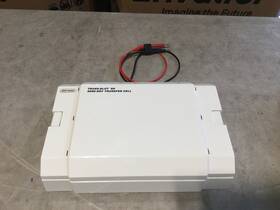
( Brand: Bio-rad ), ( Manufacturer Part Number: 221BR-33922 ), ( Part Type: Tran Transfer Cell ), ( Country Of Origin: United States ), ( Intended Use/discipline: Biological Laboratory )
Review BIO RAD Trans blot Sd Semi dry Transfer Cell
The Bio-Rad 221-Br-33922 Trans-Blot SD Semi-Dry Transfer Cell is a versatile and efficient tool for conducting semi-dry protein transfer experiments in a laboratory setting. This cell is designed for use with the Trans-Blot SD Semi-Dry Transfer System, which offers a quicker and more cost-effective alternative to traditional wet transfer methods.
The Trans-Blot SD Semi-Dry Transfer Cell features a unique sandwich design with a cationic transfer membrane sandwiched between two anode and cathode plates. The cell is made of high-quality, durable materials, including a clear polycarbonate body that allows for easy visualization of the transfer process. The cell also includes a built-in cooling system, which helps to maintain optimal transfer conditions and ensure consistent results.
The anode and cathode plates are pre-coated with a uniform layer of agarose gel, which facilitates the transfer of proteins from the gel to the membrane. The cell can accommodate a wide range of gel sizes, from 8 cm x 10 cm to 16 cm x 16 cm, making it a versatile option for various research applications.
To use the Trans-Blot SD Semi-Dry Transfer Cell, simply place the gel and membrane in the cell, add the transfer buffer, and apply a power source. The transfer process typically takes around 15-30 minutes, depending on the size of the gel and the molecular weight of the proteins being transferred. Once the transfer is complete, the membrane can be removed from the cell and used for downstream applications such as Western blotting or sequencing.
The Bio-Rad 221-Br-33922 Trans-Blot SD Semi-Dry Transfer Cell offers several advantages over wet transfer methods, including faster transfer times, reduced use of chemicals and water, and the ability to transfer large proteins that may not be easily transferred using wet methods. Overall, this cell is an essential tool for any laboratory conducting protein research and offers a cost-effective and efficient solution for transferring proteins to membranes for downstream analysis.
The Bio-Rad 221B-33922 Trans-Blot SD Semi-Dry Transfer Cell is a popular choice for researchers and scientists who need to transfer proteins from gel electrophoresis to membranes for further analysis. Here are some pros and cons of purchasing this transfer cell:
Pros:1. Convenient: The semi-dry transfer method is less messy than the traditional wet transfer method. This cell allows for the transfer to occur without the need for extensive liquid handling, making it a more convenient option for many laboratories.
2. Consistent and reliable: The Bio-Rad Trans-Blot SD Cell has a consistent and even transfer pattern, which is essential for obtaining accurate results. The cell also has a large transfer area, which can accommodate multiple gel samples at once, increasing efficiency in the lab.
3. Easy to use: The cell is easy to set up and use. The pre-cut transfer membranes and pre-soaked transfer pads simplify the transfer process. Additionally, the cell comes with a user-friendly instruction manual.
4. Durable: The transfer cell is made of high-quality materials, ensuring that it can withstand frequent use in a research laboratory.
Cons:1. Expensive: The Bio-Rad 221B-33922 Trans-Blot SD Semi-Dry Transfer Cell is a more expensive option compared to other transfer cells on the market. This may be a consideration for researchers or laboratories with limited budgets.
2. Limited transfer size: The cell can only accommodate gels up to a certain size, which may be a limitation for researchers who need to transfer larger gels.
3. Not suitable for all proteins: While the semi-dry transfer method is suitable for most proteins, it may not be the best option for transferring large or hydrophobic proteins. In such cases, the wet transfer method may be more appropriate.
In conclusion, the Bio-Rad 221B-33922 Trans-Blot SD Semi-Dry Transfer Cell is a reliable and convenient option for transferring proteins from gels to membranes. Its consistent and even transfer pattern, ease of use, and durability make it a popular choice for many laboratories. However, its high cost and limited transfer size may be a consideration for some researchers.
If you are looking for a reliable and convenient protein transfer solution, the Bio-Rad 221B-33922 Trans-Blot SD Semi-Dry Transfer Cell is an excellent choice. However, if you require the transfer of large gels or hydrophobic proteins, you may need to consider alternative transfer methods or cells. Ultimately, the decision to purchase this transfer cell will depend on your specific research needs and budget.
Details:
This unit is being sold AS-IS and USED. We currently offer FedEx and USPS on most orders. For Sale is 1 BIO-RAD TRANS-BLOT SD SEMI-DRY TRANSFER CELL. This listing is for what pictured only.
Our Shipping cutoff is at 2 pm PST. BIO-RAD TRANS-BLOT SD SEMI-DRY TRANSFER CELL Pulled from a working environment. See photos for more details. Please reach out with any questions.
Shipping options are shown on the item page in shipping calculator. Otherwise this units are in good cosmetic condition. Compatibility issues are not considered Dead On Arrival. Contact the carrier for further help with delivery issues.
part #: 221br33922 prices
- $99.99-$199.99
specifications labequipi:
- brand: Bio-rad
- mpn: 221br-33922
- part type: Tran Transfer Cell
- country of origin: United States
- intended use/discipline: Biological Laboratory
offer labequipi:
- sold: 0
- options: Ship-to-home
- availability: In Stock
- started: November 13, 2025
- best offers: True
- quantity: 2
shipping labequipi:
- carrier: FedEx
- class: Standard
- type: Calculated
- service: FedEx Ground / FedEx Home Delivery
- cost: $35.25
- transit: 5-11 Days
returns labequipi:
- paid by: Buyer
- policy: Returns Accepted
- time: 30 Days
- method: Money back
seller labequipi:
- rating: 99.3%
- # reviews: 146
- city: Fremont, California
payments labequipi:
- other
- credit card: Mastercard
- wallet: Apple-pay
general labequipi:
- condition: Used
- Healthcare, Lab Dental > Medical Lab Equipment, Devices > Other Medical Lab Equipment
Bio-rad 221BR-33922 Is Similar To:
- 1327 Bio-rad Model Econo-recorder Used (41.2% similar) ...(February 20th, 2018)
- 1575 Bio-rad Immunowash Microplate Washer (28.6% similar) Money back guaranteed. Clean, in perfect condition, fully tested, all test passed...(April 30th, 2017)
- 165-1960 Bio-rad 443 Slab Drier (35.8% similar) It powers on and the timer comes with knob. It also seems to warm up very quickly. It only comes with what is shown in the pictures. Bio-rad 443 slab drier catalog no...(January 21st, 2018)
- 165-1965 Bio-rad 483 Slab Dryer (40% similar) Domestic shipping: our preferred shipping method is ups ground service unless item too large heavy. Timer controls temperature up to 5 hours this instrument was thoroughly cleaned, quality-tested and comes with 90-DAY warranty. Please if you prefer a specific shipping carrier for updated rate quote...(February 28th, 2017)
- 165-2086 Bio-rad Gene Pulser Cuvette (40% similar) 1CM electrode gap broad d5 hello, you are viewing a listing of product wood man mechanical surplus. They are expected to show some wear as pre-owned. Bio-rad gene pulse Corvette. Exactly what is pictured included. If it is not pictured assume included...(December 1st, 2017)
- 165-5031 Bio-rad Bio Rad Gs (37.4% similar) No other cords, cables, manuals, accessories, included. Unit is in good working condition. Bio rad gs gene linker UV chamber. Quick reference chart attached on front as shown. Some stains inside chamber as shown. Comes with power cord...(January 30th, 2018)
- 1652087 Bio-rad Bio Rad Capacitance (38.4% similar) Capacitance extender readout cable only. This item has been fully tested by our tech department and is in good working condition...(April 16th, 2017)
- 1652088 Bio Rad Gene Pulser Cuvette Electrode Gap (31.9% similar) Unopened bag of 50. 4CM electrode gap see photos...(August 24th, 2018)
- 1653369 Bio Rad Slighly Used (37% similar) ...(May 6th, 2017)
- 1703751 Bio-rad Lot Of 2 (36.4% similar) These two florescent lamps come as a lot and are brand new in the original packaging. See pictures for details. To make sure you are getting an accurate quote via the shipping calculator, your zip code is default when calculating cost for this item. Box was only opened for pictures this ad. Review ...(September 4th, 2017)
- 250-2.5 Bio Rad Electrophoresis Power Supply Volt Dc Output Amp (31.5% similar) 50 power supply volt dc output...(September 1st, 2018)