BIOSURFACE TECHNOLOGIES CORPORATION DFR-110 Biofilm Drip Flow Channel Reactor 2/6
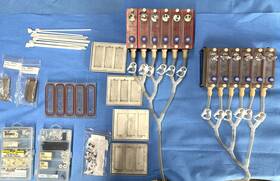
( Brand: Biosurface Technologies Corporation ), ( Manufacturer Part Number: DFR-110 ), ( Part Type: Flow Reactor ), ( Country Of Origin: United States ), ( Intended Use/discipline: Biological Laboratory, Microbiological Laboratory, Drip Flow Reactor Setup )
Review BIOSURFACE TECHNOLOGIES CORPORATION Biofilm Drip Flow Reactor Setup 2/6 Channel Dfr110 Reactors Accessories
The Biosurface DFR-110 Biofilm Drip Flow Reactor is a cutting-edge laboratory device designed for the study and optimization of biofilm growth in a controlled environment. This reactor, specifically modeled as DFR110 reactors, is an essential tool for researchers and scientists working in the fields of microbiology, biotechnology, and environmental science.
The DFR-110 Biofilm Drip Flow Reactor features a unique drip flow design that allows for the continuous cultivation of biofilms under controlled flow conditions. This design mimics natural flow conditions, providing a more accurate representation of in vivo environments and enabling the study of biofilm growth and behavior under various flow rates.
The reactor consists of a central channel, where the nutrient solution is continuously dripped, and multiple side channels, where biofilm growth occurs. The side channels are designed with a hexagonal cross-section to maximize surface area and provide optimal conditions for biofilm formation. The height and width of the side channels can be easily adjusted to accommodate various microbial species and research requirements.
The Biosurface DFR-110 Biofilm Drip Flow Reactor is made from high-quality, biocompatible materials, ensuring the safety and longevity of the device. The reactor can be easily integrated with various monitoring systems, such as optical sensors or flow meters, to provide real-time data on biofilm growth and behavior.
The DFR-110 Biofilm Drip Flow Reactor is simple to use and maintain. It can be operated manually or automated using a peristaltic pump or syringe pump. The device is also equipped with a drain valve for easy cleaning and sterilization.
In summary, the Biosurface DFR-110 Biofilm Drip Flow Reactor is an advanced laboratory tool for the study and optimization of biofilm growth under controlled flow conditions. Its unique drip flow design, adjustable side channels, and biocompatible materials make it an indispensable resource for microbiologists, biotechnologists, and environmental scientists.
Biosurface DFR-110 biofilm drip flow reactors, also known as DFR110 reactors, are bioreactors designed for the growth of microorganisms attached to a surface in a drip flow condition. These reactors are commonly used in industrial and research applications for the production of biomass, biofiltration, and biotransformation processes. In this response, we will discuss the pros and cons of buying a Biosurface DFR-110 biofilm drip flow reactor.
Pros:1. Enhanced Mass Transfer: DFR110 reactors provide enhanced mass transfer between the liquid and the biomass due to the continuous flow of liquid over the surface of the biomass. This results in better growth conditions for microorganisms and increased productivity.
2. High Productivity: The continuous flow of liquid over the biomass surface allows for a higher specific growth rate and increased product formation compared to traditional batch reactors.
3. Easy to Operate and Maintain: DFR110 reactors are relatively easy to operate and maintain. The design of the reactor allows for simple cleaning and sterilization, making it an attractive option for industrial applications.
4. Versatile: DFR110 reactors can be used for various applications, including biomass production, biofiltration, and biotransformation.
5. Scalability: DFR110 reactors can be scaled up to meet the requirements of large-scale industrial applications.
Cons:1. High Capital Cost: DFR110 reactors can be expensive to purchase and install due to their complex design and advanced technology.
2. Requires Skilled Operators: Operating and maintaining a DFR110 reactor requires a high level of expertise and knowledge.
3. Limited Substrate Concentration: The continuous flow of liquid over the biomass surface can limit the substrate concentration, requiring the use of feed solutions with high substrate concentrations.
4. Complex Design: The design of DFR110 reactors is complex, and any malfunctions can lead to significant downtime and production losses.
Conclusion:Biosurface DFR-110 biofilm drip flow reactors offer several advantages, including enhanced mass transfer, high productivity, ease of operation, versatility, and scalability. However, they also come with some disadvantages, such as high capital cost, the need for skilled operators, limited substrate concentration, and complex design.
If you are considering buying a Biosurface DFR-110 biofilm drip flow reactor, it is essential to weigh the pros and cons carefully and consider your specific application requirements. These reactors are an excellent investment for large-scale industrial applications where high productivity and enhanced mass transfer are critical. However, for small-scale research applications or applications with limited budgets, alternative reactor types may be more suitable.
Recommendation:If you are looking to invest in a Biosurface DFR-110 biofilm drip flow reactor, it is recommended to carefully evaluate your application requirements, budget, and expertise level before making a purchase. Consider consulting with a bioreactor supplier or expert to help you make an informed decision. Additionally, consider exploring alternative reactor types, such as batch reactors or stirred-tank reactors, if your application requirements are more suited to those types.
Details:
Complete setup is in good used condition. Aluminum sample holders for scraping and preparation. Sample scrapers. Variety of spare parts, including 5 lids with o-rings, thumb screws, valves, vent filters, threaded lures, connectors, clamps, etc.
6 Channel DFR 110 Reactor in Pennsylvania yellowish-clear plastic. 6 channel DFR 110 Reactor in Anodized Aluminum red.
specifications labequipi:
- brand: Biosurface Technologies Corporation
- mpn: Dfr-110
- part type: Flow Reactor
- country of origin: United States
- intended use/discipline: Biological Laboratory, Microbiological Laboratory, Drip Flow Reactor Setup
returns labequipi:
- policy: No Returns
offer labequipi:
- sold: 0
- best offers: True
- started: April 10, 2026
- options: Ship-to-home
- quantity: 1
- availability: In Stock
seller labequipi:
- # reviews: 10
- rating: 0.0%
- city: Ponte Vedra Beach, Florida
general labequipi:
- Healthcare, Lab Dental > Medical Lab Equipment, Devices > Other Medical Lab Equipment
- condition: Used
payments labequipi:
- other
- credit card: Diners-club
- wallet: Google-pay
shipping labequipi:
- cost: $48.28
- service: USPS Ground Advantage
- class: Standard
- transit: 6-10 Days
- carrier: USPS
- type: Calculated