HUIYUAN Fumasep Anion Membranes Fuel Cell FAA-3-50/FAA-3-20
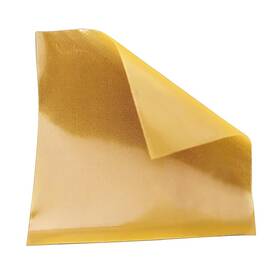
( Brand: Huiyuan ), ( Manufacturer Part Number: FAA-3-20 ), ( Model: FUMASEP FAA-3-50/FAA-3-20 ), ( Part Type: Fuel Cell ), ( Color Classification: Faa-3-20 Isolation Film 10 10cm ), ( Unit Type: Unit ), ( Country/region Of Manufacture: China ), ( Intended Use/discipline: Physical Laboratory )
Review HUIYUAN Fumasep Faa-3-50/faa-3-20 Anion Exchange Membranes Fuel Cell Grade
The Huiyuan FAAs (Fuel Anode Assemblies) FAA-3-20/FAA-3-50 Anion Membranes are advanced components specifically designed for use in Proton Exchange Membrane Fuel Cells (PEMFCs). These anode assemblies are a crucial part of the fuel cell system, responsible for the oxidation of hydrogen fuel and the generation of protons.
The FAA-3-20 and FAA-3-50 models differ primarily in their size, with the former measuring 30 cm by 20 cm and the latter measuring 30 cm by 50 cm. Both assemblies utilize Huiyuan's proprietary anion membrane technology, which provides excellent ion conductivity and durability.
The anion membrane, also known as the bipolar membrane, is a critical component of the anode assembly. It is a thin, flexible, and robust membrane that separates the anode and cathode compartments within the fuel cell. It is specifically designed to facilitate the separation of water molecules into hydroxide ions during the fuel cell operation.
The Huiyuan FAAs FAA-3-20 and FAA-3-50 feature a robust anode structure made of carbon paper, which provides a large surface area for the catalyst coating. The catalyst layer is composed of platinum group metals, which facilitate the electrochemical reactions at the anode. The assemblies also include a gas diffusion layer, which ensures efficient transport of reactant gases to the catalyst layer.
These anode assemblies are designed with a focus on durability and long-term performance. The anion membrane is resistant to swelling and degradation, ensuring stable ion conductivity over the life of the fuel cell. The carbon paper anode is also highly resilient, with excellent mechanical strength and resistance to cracking.
In summary, the Huiyuan FAAs FAA-3-20 and FAA-3-50 Anion Membranes are advanced components designed for use in PEM fuel cells. They feature a robust anode structure, a durable anion membrane, and excellent ion conductivity, making them ideal for applications where high-performance and long-term durability are critical. The FAA-3-20 and FAA-3-50 models differ primarily in size, allowing users to choose the assembly that best fits their fuel cell system requirements.
Huiyuan FAAs (Fuel Assemblies) with models FA-3-20 and FA-3-50/FA-3-20 are anion exchange membranes used in PEM (Proton Exchange Membrane) fuel cells. Anion exchange membranes are an essential component of fuel cells as they facilitate the transport of ions, particularly anions, within the fuel cell. Let's discuss the pros and cons of investing in these Huiyuan FAAs.
Pros:1. High Ion Conductivity: Anion exchange membranes offer higher ion conductivity compared to cation exchange membranes, which is beneficial for certain fuel cell applications.
2. Improved Fuel Cell Performance: The use of anion exchange membranes can lead to increased fuel cell efficiency, better power density, and improved overall performance.
3. Enhanced Durability: Anion exchange membranes are known for their higher durability and longer lifespan compared to cation exchange membranes.
4. Reduced Water Consumption: Anion exchange membranes require less water for operation, making them more water-efficient.
Cons:1. Higher Cost: Anion exchange membranes are typically more expensive than cation exchange membranes.
2. Complexity in Design and Manufacturing: The design and manufacturing process for anion exchange membranes are more complex compared to cation exchange membranes.
3. Compatibility Issues: Anion exchange membranes may not be compatible with certain fuel cell components, leading to potential compatibility issues.
4. Limited Availability: Anion exchange membranes are not as widely available as cation exchange membranes, limiting the options for consumers.
Conclusion:Investing in Huiyuan FA-3-20 and FA-3-50/FA-3-20 anion exchange membranes can offer improved fuel cell performance, durability, and water efficiency. However, these benefits come at a higher cost and potential compatibility issues. The decision to invest in these membranes should be based on the specific requirements of the fuel cell application and the available budget.
Recommendation:If your fuel cell application requires the benefits of anion exchange membranes, such as improved performance and durability, and you have the necessary budget, then investing in Huiyuan FA-3-20 and FA-3-50/FA-3-20 anion exchange membranes could be a good choice. However, if cost is a significant concern or if compatibility issues are a worry, it may be worth exploring alternative options or considering using cation exchange membranes instead.
Details:
For resistance characteristics, Fumasep FAA3-20 is. Both are backed with colorless rigid PET foil Backing, and the delivery state Delivery State is dry requires self-activation Dry.
specifications labequipi:
- brand: Huiyuan
- mpn: Faa-3-20
- model: Fumasep Faa-3-50/faa-3-20
- part type: Fuel Cell
- color classification: Faa-3-20 Isolation Film 10 10cm
- unit type: Unit
- country/region of manufacture: China
- intended use/discipline: Physical Laboratory
seller labequipi:
- # reviews: 31
- city: Rowland height, California
- rating: 100.0%
payments labequipi:
- other
- credit card: Visa
- wallet: Paypal
offer labequipi:
- options: Ship-to-home
- availability: In Stock
- sold: 0
- started: July 14, 2025
- quantity: 5
general labequipi:
- condition: New
- Healthcare, Lab Dental > Medical Lab Equipment, Devices > Other Medical Lab Equipment
returns labequipi:
- policy: No Returns
shipping labequipi:
- cost: $19.15
- carrier: USPS
- service: USPS Priority Mail Medium Flat Rate Box
- class: Expedited
- type: Fixed
- transit: 3-9 Days