INVITROGEN IB31000 Iblot Transfer Device
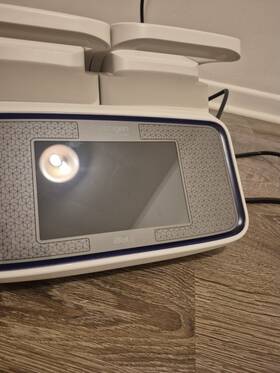
( Brand: Invitrogen ), ( Manufacturer Part Number: IB31000 ), ( Model: 2023 ), ( Part Type: Transfer Device )
Review INVITROGEN Iblot Transfer Device
The Invitrogen iBlot Transfer Device (IB31000) is a revolutionary tool designed for blot transfer in the field of molecular biology and protein research. This device offers a quick and efficient method for transferring proteins from polyacrylamide gels to nitrocellulose or PVDF membranes, significantly reducing the time required for traditional blotting methods.
The iBlot Transfer Device utilizes a unique, controlled blotting mechanism that combines both electroblotting and heat for rapid and uniform transfer of proteins. The device features a versatile cassette design, accommodating various gel sizes (from 10 cm to 16 cm) and membrane types. The cassettes are easy to load and secure, ensuring a snug fit for optimal transfer efficiency.
The iBlot Transfer Device operates on the principle of capillary action, drawing the transfer buffer through the gel and onto the membrane. This process is aided by the application of heat, which enhances the transfer efficiency and reduces the need for prolonged blotting times. The device also includes a built-in heating element and temperature control, ensuring consistent and reliable results.
The iBlot Transfer Device is designed with user-friendliness in mind. The device is easy to handle, and the cassettes can be loaded and unloaded without the need for clamps or special tools. The device is also compact and portable, making it an ideal choice for both laboratory and field research.
In summary, the Invitrogen iBlot Transfer Device (IB31000) is a powerful and efficient tool for blot transfer, offering a quick and reliable method for transferring proteins from gels to membranes. Its unique mechanism, versatile cassette design, and user-friendly features make it an indispensable tool for any molecular biology or protein research laboratory.
Pros of buying a Invitrogen iBlot Transfer Device (IB31000):1. Time-Saving: The iBlot device uses a blotting mechanism that is faster than traditional methods, saving up to 70% of your time.
2. Efficient Transfer: It offers efficient protein transfer with minimal sample loss, ensuring high yield and improving the overall quality of your blots.
3. Reduced Staining Time: The device reduces staining time by up to 25%, resulting in less time spent in the lab and faster results.
4. Versatility: It is compatible with a variety of protein samples and membranes, making it a versatile tool for different applications.
5. Easy to Use: The iBlot device is user-friendly and requires minimal training, making it accessible to both novice and experienced researchers.
Cons of buying a Invitrogen iBlot Transfer Device (IB31000):1. Cost: The iBlot device is more expensive than traditional blotting methods. While it may save time and improve results, the initial investment could be a limiting factor for some researchers.
2. Space: The device requires some space on the bench, which might be a concern in crowded labs.
3. Learning Curve: While the device is user-friendly, there may still be a learning curve for some users to fully understand and optimize its use.
4. Compatibility with Certain Proteins: While the device is versatile, some users have reported issues with transferring certain proteins or protein complexes.
Conclusion:The Invitrogen iBlot Transfer Device (IB31000) is a powerful tool for researchers who value time and efficiency in their lab work. It offers fast, efficient protein transfer with minimal sample loss, reduces staining time, and is compatible with a variety of protein samples and membranes. However, its high cost, space requirements, and potential compatibility issues with certain proteins are potential drawbacks. Ultimately, the decision to purchase the iBlot device should be based on the individual researcher's budget, lab space, and specific research needs.
Recommendation:If time and efficiency are important factors in your research, the Invitrogen iBlot Transfer Device (IB31000) could be a valuable investment. However, it is recommended to consider the device's cost and potential compatibility issues with certain proteins before making a purchase. It might also be beneficial to try the device in a demo setting or consult with other researchers who have used it to gain a firsthand understanding of its capabilities and limitations.
Details:
This Invitrogen device is like new and fully functional.
part #: ib31000 price
- $3432.00
specifications labequipi:
- brand: Invitrogen
- mpn: Ib31000
- model: 2023
- part type: Transfer Device
returns labequipi:
- policy: No Returns
payments labequipi:
- credit card: Discover
- other
- wallet: Apple-pay
shipping labequipi:
- service: FedEx 2Day
- carrier: FedEx
- transit: 6-12 Days
- cost: $117.98
- type: Calculated
- class: Expedited
general labequipi:
- Healthcare, Lab Dental > Medical Lab Equipment, Devices > Other Medical Lab Equipment
- condition: Used
offer labequipi:
- options: Ship-to-home
- best offers: True
- availability: In Stock
- sold: 0
- quantity: 1
- started: October 31, 2024
seller labequipi:
- city: Richmond, Virginia
- rating: 100.0%
- # reviews: 5
Invitrogen IB31000 Is Similar To:
- Ib1001 Life Technologies Invitrogen Iblot Dry Blotting Gel Transfer System (48.3% similar) Condition is used. Shipped with USPS priority mail. Life technologies Invitrogen iblot dry blotting gel transfer system...(March 30th, 2019)
- Iblot Invitrogen Gel Transfer System (59% similar) All checks must clear prior to shipping. Postage priority mail for shipping and handling charges. 11, White cecal. However, some items are sold as is. 11, White cecal. If you prefer may also provide us with your shipping accounts to be used for the item or items...(June 8th, 2017)
- Ibolt Invitrogen Iblot Digital Tabletop (51.9% similar) Are only included if pictured or listed in. DOA stands for dead on arrival, meaning that the item did not function properly when it arrived. width in inches: 22. 30-DAY DOA warranty this product carries. Your satisfaction is extremely important to us. Standard shipping prices are only good for the...(January 10th, 2018)
- Invitrogen Iblot 2 Transfer Stacks Nitrocellulose Regular Ib23001 Thermo Fish (50.4% similar) Invitrogen iblot 2 transfer stacks nitrocellulose regular. Thermos fisher scientific. The Invitrogen IB23001 is in new condition...(June 19th, 2022)
- Invitrogen S37102 Ethrog E-gel Safe Imager Uv Blue Light Transilluminator Iblot (41.3% similar) Plc plc CPR pct thermonuclear Thermos cycle Maj research corning Pyrex wool fiber. Hydrogen oxygen. From Seattle, WA, 98408 USA. Alcohol, still copper, satori's Julio pharmacy column chromatography super loop micro vascular gem 3m couplet system uni link. Invitrogen ethology. Fast USA shipping via ...(December 9th, 2023)
- Thermo Fisher Scientific G8300 Invitrogen E-gel Electrophoresis Device G8100 And Power Snap Camera G8200 Tested (26.1% similar) Small, fast, and powerful. Capture high-resolution e-gel Agra's gel images on the go with included easy-to-use e gel power snap camera. Features of the e-gel power snap system include: streamline and image capture with an all-in-one. E-gel Agra's gels are available in a variety of gel percentages ...(September 30th, 2024)
- Invitrogen Slf2000 Ibind Flex Western Device (65.1% similar) Power cords and power adapters are never included unless specifically mentioned. This unit will arrive in the condition shown. Warranty this item is guaranteed to be as described. Invitrogen bind flex western device SLF2000: this lot is for one Invitrogen bind flex western device. Shipping buyer ...(October 3rd, 2024)
- Invitrogen Iblot-3 Iblot 3 Giza Western Blot Protein Transfer System Thermo Fisher (54.8% similar) Used condition from a functional setup. This is surplus inventory from a well known biotech company. Extended return period see below. In stock and ships fast from San Diego, ca...(October 22nd, 2024)
- Invitrogen Ib21001 Thermo Iblot 2 Gel Transfer Device Dry Blotting Power On (66.7% similar) Thermos Invitrogen iblot 2 gel transfer device IB21001 dry blotting power on...(January 28th, 2025)
- Thermo Scientific Invitrogen 0511210336 Ibind Western Device (52.9% similar) Need next day second air services. After the return period has ended, you can no longer product. We choose the carrier. Big will palletized, band, wrap and load most items free of charge. Prefer to pick it up yourself. If the item is not marked as free shipping, shipping price shown for us lower 48 ...(September 25th, 2025)