KOEHLER K27100 Ramsbottom Carbon Residue Apparatus Astm D524 D6074
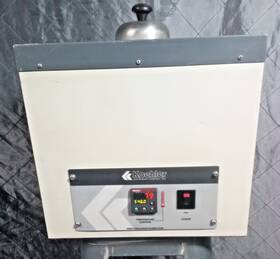
( Brand: Koehler ), ( Manufacturer Part Number: K27100 ), ( Part Type: Instrument ), ( Country Of Origin: United States ), ( Intended Use/discipline: Ramsbottom Carbon Residue Apparatus )
Review KOEHLER Instrument Ramsbottom Carbon Residue Apparatus Astm
The Koehler K27100 Ramsbottom Carbon Residue Apparatus, also known as the Koehler Carbon Residue Analyzer, is a laboratory instrument designed to determine the carbon residue content of various types of fuels, according to the standards set by ASTM (American Society for Testing and Materials) D524 and D6074.
This apparatus is essential for assessing the quality and performance of fuels, particularly in the petroleum industry. The Ramsbottom Carbon Residue Test measures the amount of carbonaceous material that remains after vaporizing a fuel sample under controlled temperature conditions. The test result provides valuable information about the fuel's stability, viscosity, and susceptibility to depositing carbonaceous deposits in engines.
The K27100 model is a Ramsbottom-type apparatus, which features a vertically heated, insulated crucible. This design ensures efficient heating and minimal loss of volatile components during the test. The instrument includes a temperature controller to maintain a precise temperature of 930 C 10 C for the test.
The Koehler K27100 Ramsbottom Carbon Residue Apparatus comes with a user-friendly design, making it easy to load and unload samples. The crucible has a capacity of 5 grams, while the sample holder can accommodate up to 10 crucibles, allowing for multiple tests to be conducted at once. The instrument also features an automatic cooling system that helps maintain a safe working environment by reducing the need for manual cooling.
The K27100 is equipped with a precise and accurate balance for weighing samples, ensuring consistent test results. The instrument also comes with a recording thermometer that displays the temperature during the test and provides a permanent record of the results.
This Koehler Carbon Residue Analyzer is built with durable materials, ensuring long-lasting performance and reliability. Its compact size makes it an ideal choice for laboratories with limited space. Regular maintenance and calibration are crucial to maintaining the performance and accuracy of the instrument.
In summary, the Koehler K27100 Ramsbottom Carbon Residue Apparatus is a versatile and indispensable laboratory instrument for assessing the quality and performance of fuels according to ASTM D524 and D6074 standards. Its efficient design, user-friendly features, and durable construction make it an essential tool for any laboratory involved in fuel testing and analysis.
The Koehler K27100 Ramsbottom Carbon Residue Apparatus, which conforms to both ASTM D524 and ASTM D6074 standards, is a widely used instrument for determining the carbon residue index (CRI) of various types of fuels. This test is crucial in assessing the durability and performance of fuels, particularly in the aviation and petrochemical industries. Here are some pros and cons of investing in this apparatus:
Pros:1. High precision and accuracy: The Koehler K27100 apparatus is known for its high precision and accuracy in measuring carbon residue, ensuring that test results are reliable and consistent.
2. Compliance with industry standards: Conforming to both ASTM D524 and ASTM D6074 standards, this apparatus enables users to meet the requirements of various industries, including aviation and petrochemicals.
3. Versatility: The Ramsbottom carbon residue apparatus can be used to test various types of fuels, including crude oils, distillates, and residual oils, making it a valuable investment for organizations with diverse fuel portfolios.
4. Durability and low maintenance: The Koehler K27100 apparatus is built to withstand the rigors of daily use and is known for its low maintenance requirements, ensuring that testing operations can continue uninterrupted.
Cons:1. High initial investment: The cost of purchasing a Koehler K27100 Ramsbottom Carbon Residue Apparatus can be substantial, which may deter some organizations from investing in it.
2. Complex operation: While the apparatus itself is robust, its operation requires a certain level of expertise and training. This can result in additional costs for hiring or training staff to operate the equipment effectively.
3. Limited testing capacity: Depending on the size of the organization and the volume of testing required, a single Koehler K27100 apparatus may not be sufficient to meet testing demands. In such cases, additional investments in multiple units or parallel testing methods may be necessary.
Conclusion:The Koehler K27100 Ramsbottom Carbon Residue Apparatus offers numerous advantages, including high precision, compliance with industry standards, versatility, and durability. However, its high initial investment and complex operation may be drawbacks for some organizations. Ultimately, the decision to invest in this apparatus depends on an organization's specific testing requirements, budget, and expertise. For organizations with a large volume of testing needs and a significant budget, the investment in a Koehler K27100 Ramsbottom Carbon Residue Apparatus can provide long-term benefits and cost savings by enabling in-house testing and reducing reliance on external laboratories. For smaller organizations with limited testing needs or budget constraints, alternative testing methods or outsourcing to third-party laboratories may be more suitable options.
Details:
With its brand reputation and specific model, this apparatus ensures precise consistent results for your testing needs. Its reliable performance and accuracy make it a valuable tool for analyzing carbon residue in various materials samples. The Koehler Instrument K27100 Ramsbottom Carbon Residue Apparatus is a high-quality lab equipment designed for measuring carbon residue using ASTM D524 and D6074; IP 14; ISO 4262; FTM 791-5002; NF 60-117 methods.
part #: k27100 prices
- $3500.00-$4500.00
specifications labequipi:
- brand: Koehler
- mpn: K27100
- part type: Instrument
- country of origin: United States
- intended use/discipline: Ramsbottom Carbon Residue Apparatus
offer labequipi:
- started: February 19, 2026
- sold: 0
- options: Ship-to-home
- availability: In Stock
- quantity: 1
- best offers: True
seller labequipi:
- rating: 100.0%
- city: Vallejo, California
- # reviews: 11
shipping labequipi:
- service: USPS Ground Advantage, FedEx Ground Economy
- cost: $122.63
- type: Calculated
- carrier: USPS, FedEx
- class: Standard, Economy
- transit: 7-11 Days
returns labequipi:
- policy: Returns Accepted
- time: 30 Days
- method: Money back
- paid by: Seller
general labequipi:
- condition: Used
- Healthcare, Lab Dental > Medical Lab Equipment, Devices > Other Medical Lab Equipment
payments labequipi:
- wallet: Google-pay
- other
- credit card: Diners-club
Koehler K27100 Is Similar To:
- K16000 Koehler Instrument Company Closed Cup Flash Tester Gas (39.1% similar) Conforms to astm D93 and related specifications choice of electric or gas heating for flash point determinations fuels, lubricating oils, liquids containing suspended solids that tend form a surface film during testing easy handling efficient all electronics in 120V USA. Heater unit is enclosed in a...(July 29th, 2018)
- Koehler Instrument K13010 K13009 K.i.c Saybolt Chromometer Astm D-156 With Daylight Lamp (47% similar) The P2740-1 consists of a matched set sample and standard tube assemblies with optical viewer. Includes daylight lamp P2740-3 provides standard light source per astm specifications. 1 KOEHLERK13009 k.i.c. Sabelt chronometer, astm D-156, with daylight lamp K13010, and frosted mirror...(March 12th, 2026)