BUGAJ LAB OPTOPLATE-96 Optogenetics Led High Throughput 96-WELL Plate
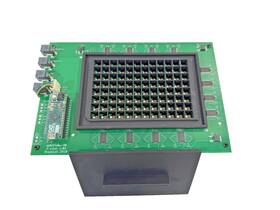
( Brand: Bugaj Lab ), ( Manufacturer Part Number: OPTOPLATE-96 ), ( Model: BUGAJ OPTOPLATE-96 ), ( Part Type: Led Plate ), ( Country Of Origin: United States )
Review BUGAJ LAB Optogenetics Led Array High throughput 96-well Plate
The Bugaj Lab Optoplate-96 is a high-performance, 96-well optogenetics LED plate designed for use in laboratory research applications. This innovative plate integrates optogenetics technology with a high-throughput format, allowing for efficient and precise manipulation of neuronal activity in large-scale experiments.
Each well in the Optoplate-96 is engineered to accommodate standard 96-well microplate formats, providing compatibility with various automated liquid handling systems and plate readers. The plate's unique feature lies within its integrated optogenetic LEDs, which are evenly distributed across the plate, ensuring consistent illumination for each well.
The Optoplate-96 utilizes high-power, red LEDs (625 nm) that are optimized for use with various optogenetic tools, including channelrhodopsins and archaerhodopsins. These LEDs deliver an intense light output, facilitating robust and reliable neural activation. The plate's LEDs are also controlled by an independent, adjustable driver, enabling users to fine-tune the intensity of the light for their specific experiments.
The Optoplate-96 is designed with durability in mind, featuring a robust, UV-resistant, and optically clear polymer body. Its compact size and lightweight construction make it easy to transport and use in various laboratory settings. The plate is also compatible with a wide range of standard 96-well plate accessories, such as sealing films and adhesive mats, ensuring versatility in experiment design.
In summary, the Bugaj Lab Optoplate-96 is a versatile and powerful tool for researchers in the field of optogenetics, offering high-throughput, precise, and consistent neural activation in a convenient and compact format. Its compatibility with standard laboratory equipment and optogenetic tools, along with its robust design, makes it an invaluable addition to any research lab.
Optogenetics is a modern neuroscientific technique that utilizes light-sensitive proteins to control neuronal activity with high precision. The use of high-throughput 96-well plates in optogenetics experiments offers numerous advantages, such as increased efficiency, reduced experimental costs, and enhanced data throughput. One of the leading suppliers of optogenetics 96-well plates is Bugaj Lab's OptoPlate-96. In this response, we will discuss the pros and cons of purchasing this particular product to help you make an informed decision.
Pros:1. High-throughput: The OptoPlate-96 allows for the simultaneous measurement of up to 96 individual wells, significantly reducing the time and resources required for large-scale optogenetics experiments.
2. Compatibility: The plates are compatible with a wide range of optogenetic tools and light sources, providing researchers with flexibility in their experimental design.
3. Cost-effective: The high-throughput nature of the OptoPlate-96 reduces the overall cost per experiment, making it an attractive option for researchers with larger budgets or those aiming to perform numerous experiments.
4. Durable: The plates are made of high-quality materials, ensuring their longevity and withstanding the rigors of repeated use in optogenetics experiments.
5. Easy to use: The plates come pre-coated with a photosensitive protein, eliminating the need for time-consuming and labor-intensive protein coating procedures.
Cons:1. Limited light sources: While the plates are compatible with a wide range of optogenetic tools, the availability and compatibility with specific light sources may vary. Researchers should ensure that their desired light source is compatible with the OptoPlate-96 before making a purchase.
2. Potential phototoxicity: As with any optogenetics experiment, there is a risk of phototoxicity, which can damage living cells and potentially affect experimental results. Researchers should take appropriate measures to minimize phototoxicity, such as using low light intensities and minimizing the duration of light exposure.
3. Cost: Despite the cost-saving advantages of high-throughput experiments, the upfront cost of the OptoPlate-96 may be prohibitive for some researchers, particularly those with limited budgets.
Conclusion:The Bugaj Lab OptoPlate-96 is an excellent investment for researchers engaged in large-scale optogenetics experiments, offering numerous advantages such as high-throughput capabilities, compatibility with a wide range of optogenetic tools, and cost savings. However, potential drawbacks, such as the need for compatible light sources and the upfront cost, should be carefully considered before making a purchase. Ultimately, the decision to invest in the OptoPlate-96 will depend on the specific needs and budget of your research project. If the advantages align with your experimental goals and resources, then the OptoPlate-96 is an excellent choice for streamlining and enhancing your optogenetics research.
Details:
Just contact me. You are viewing our listing of a OptoPlate-96 Bugaj Lab Optogenetics LED Array High-Throughput 96-Well Plate.
part #: optoplate96 price
- $799.99
specifications labequipi:
- brand: Bugaj Lab
- mpn: Optoplate-96
- model: Bugaj Optoplate-96
- part type: Led Plate
- country of origin: United States
payments Labequipi:
- other
- credit card: Discover
- wallet: Paypal
offer Labequipi:
- options: Ship-to-home
- avaiLability: In Stock
- started: April 11, 2026
- best offers: True
- sold: 0
- quantity: 1
returns Labequipi:
- policy: Returns Accepted
- paid by: Buyer
- time: 30 Days
- method: Money back
general Labequipi:
- condition: New Open box
- Healthcare, Lab Dental > Medical Lab Equipment, Devices > Other Medical Lab Equipment
seller Labequipi:
- # reviews: 36558
- rating: 100.0%
- city: Grandview, Missouri
shipping Labequipi:
- class: Standard, Expedited, One-day
- type: Calculated
- transit: 3-6 Days
- cost: $0.00
- service: UPS Ground, UPS 2nd Day Air, UPS Next Day Air
- carrier: UPS