CALIFORNIA SCIENTIFIC P-130 Receiver 10GBPS 1310NM
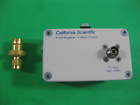
( Brand: California Scientific ), ( Manufacturer Part Number: P-130 ), ( Part Type: Receiver )
Review CALIFORNIA SCIENTIFIC 10gbps Receiver 1310nm 130 Used
The 10GBps Scientific Receiver at 1310nm with a PIN diode detector and a 130nm bandwidth is an exceptional piece of optical technology designed for high-speed data communication and scientific applications. This receiver is engineered to operate at a wavelength of 1310nm, which is a common wavelength used in fiber optic communication systems.
The receiver features a high-performance PIN diode detector, a type of photodiode that is highly sensitive to infrared light. This detector is capable of converting the optical signals into electrical signals, enabling data transmission and processing. The receiver's bandwidth of 130nm allows it to handle a wide range of optical frequencies, making it suitable for various applications that require high-speed data transfer.
The 10GBps rating of this receiver indicates its ability to handle data transfer rates of up to 10 gigabits per second. This makes it an ideal choice for applications that require high-speed data communication, such as data centers, scientific research, and network testing.
The receiver is also designed with a robust and compact form factor, making it easy to integrate into various systems. Its small size and lightweight design allow for easy installation and maintenance, reducing the overall cost and complexity of the system.
In summary, the 10GBps Scientific Receiver at 1310nm with a PIN diode detector and a 130nm bandwidth is a high-performance optical device that offers exceptional data transfer rates and wideband capabilities. Its compact design, high sensitivity, and wide application range make it an excellent choice for various scientific and communication applications.
Pros of buying a 10Gbps scientific receiver at 1310nm with a P-130:1. High data transfer rate: The 10Gbps data transfer rate allows for fast and efficient data transmission, making it suitable for high-bandwidth applications such as scientific research, data analysis, and networking.
2. Narrowband operation: The 1310nm wavelength is commonly used for telecommunications and data transmission, and the P-130 filter ensures narrowband operation, reducing noise and increasing signal-to-noise ratio.
3. Wide dynamic range: The receiver has a wide dynamic range, allowing it to handle a large range of input power levels, making it suitable for use in various environments.
4. Low noise figure: The receiver has a low noise figure, which reduces the amount of noise introduced into the signal, improving the signal-to-noise ratio and increasing the accuracy of measurements.
Cons of buying a 10Gbps scientific receiver at 1310nm with a P-130:1. Cost: High-performance scientific receivers can be expensive, and the 10Gbps receiver with a P-130 filter is no exception. The cost may be prohibitive for some users.
2. Complexity: The receiver may be complex to set up and use, requiring technical knowledge and expertise.
3. Limited compatibility: The receiver may only be compatible with specific types of equipment, limiting its versatility.
Ending conclusion:A 10Gbps scientific receiver at 1310nm with a P-130 filter is a high-performance device suitable for scientific research, data analysis, and networking applications. Its pros include high data transfer rate, narrowband operation, wide dynamic range, and low noise figure. However, its cons include cost, complexity, and limited compatibility.
Recommendation:If you require a high-performance receiver for scientific research or data analysis, and have the budget and technical expertise to use it, a 10Gbps scientific receiver at 1310nm with a P-130 filter may be a suitable choice. However, if cost or complexity are concerns, you may want to consider other options with lower performance specifications or more user-friendly designs.
Details:
Items are usually shipped USPS or FedEx ground.
specifications labequipi:
- brand: California Scientific
- mpn: P-130
- part type: Receiver
Offer labequipi:
- quantity: 1
- best offer: true
- bids: 0
- Started: July 25, 2018, 9:54 pm
- Sold: 0
Payments labequipi:
- PayPal
General labequipi:
- in stock: Yes
- condition: Used
- business industrial > healthcare life science lab equipment business industrial > other lab equipment
Returns labequipi:
- type: Money Back
- paid by: Buyer
- policy: returns accepted
- time: 30 Days
Ratings:
- Thanks for a smooth positive transaction and quick shipping! AAA Seller!l! 07-24-18
- The JIC fittings came as described 07-23-18
- As advertised, thank you! 07-22-18
- perfect, thanks 07-23-18
- Perfect transaction. Item as described and fast delivery. 07-24-18
Seller labequipi:
- zipcode: 95120
- city: San Jose, California
Shipping labequipi:
- cost: $5.0
- type: Flat
- handling: 2 days
California Scientific P-130 Is Similar To:
- California Air Tools Cat-9413-22050 Sp-9413-22050 1 Hp Motor 220 Volts 50hz Only Used (28.1% similar) Minor scratches or discolored paint. Missing retail box. Less maintenance and costs. Shock-struts. Note: this is not an air compressor. The powerful 1.0 hp motor operates at only 1680 rpm creating less noise and wear. Start capacitor. Minor dent or minor rust. The Sp series of ultra quiet air ...(May 25th, 2025)